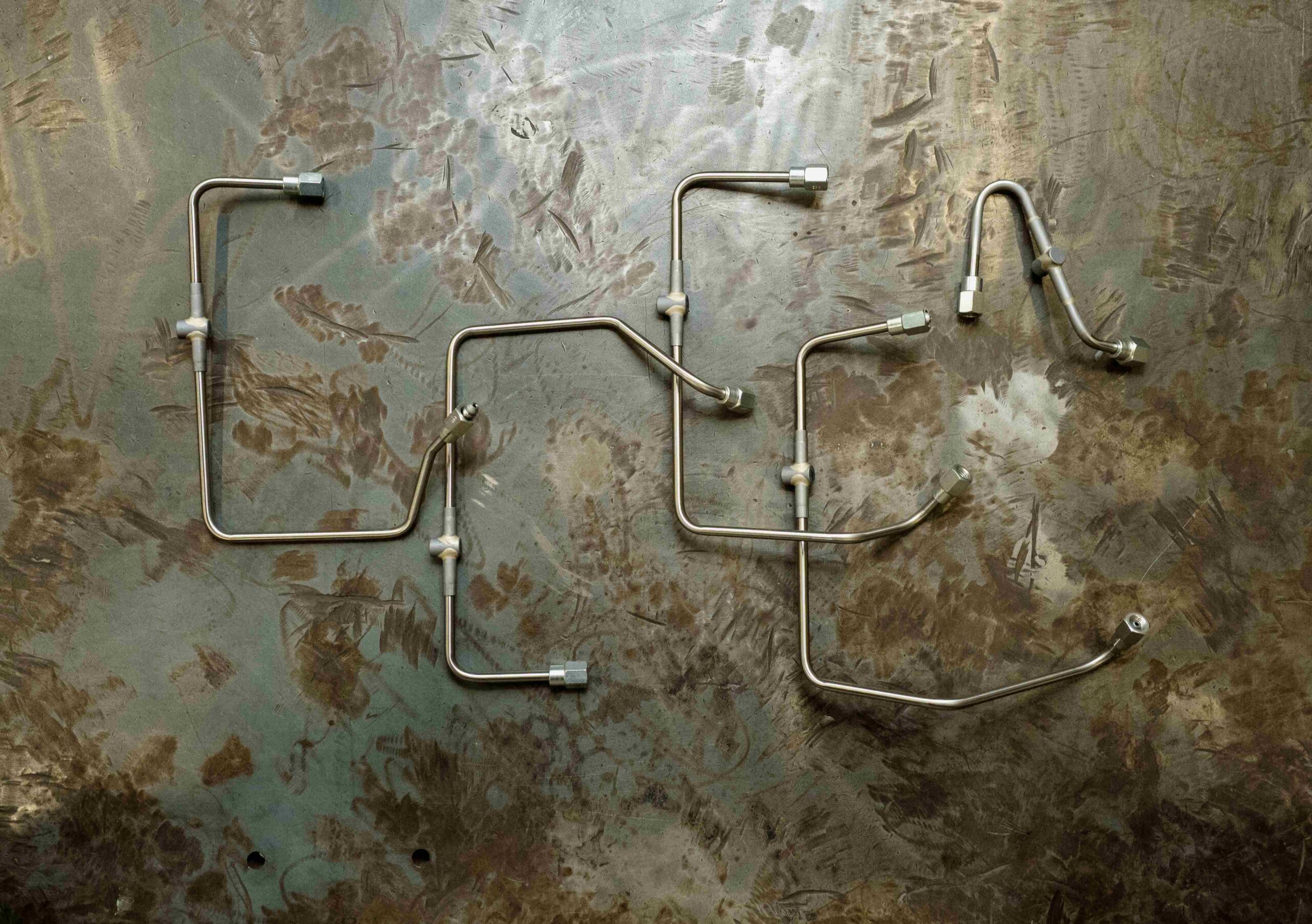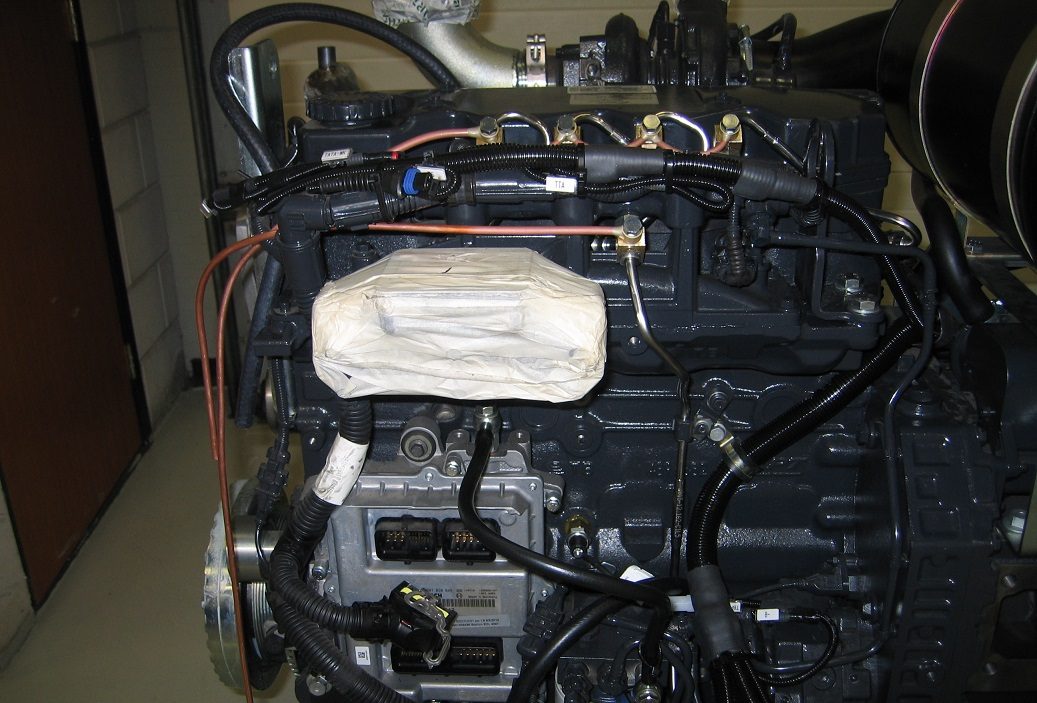
High-pressure fuel lines deliver fuel under high pressure to an engine's injectors. They connect the high-pressure pump to the injectors, possibly via a common fuel rail. In maritime and industrial applications These pipes must be suitable for the pressure load, connections, and available installation space.
The design varies depending on the engine and fuel injection system. In addition to the distinction between single-wall and double-wall pipes, the material, pipe geometry, and support structure also play a role. Therefore, when replacing a pipe, more is required than simply a pipe with the same outer diameter.
What is the function of a high-pressure fuel line?
A diesel engine uses a fuel injection system to deliver fuel to the combustion chamber at the right time and in the right amount. The high-pressure fuel line transports the pressurized fuel to the injector, also known as a nozzle. The injector then injects and atomizes the fuel.
The path the fuel takes depends on the system. In a conventional pump-line-injector system, a high-pressure line runs from the fuel injection pump to the respective injector. In a common-rail system, the high-pressure pump first supplies fuel to a common rail. From this rail, separate lines carry the fuel to the injectors.
Not every fuel line in the system serves the same function. The supply line carries fuel to the high-pressure pump; return lines carry fuel back. The high-pressure section is subject to different loads and corresponding requirements for its components.
How high is the pressure in a fuel line?
There is no fixed operating pressure that applies to all high-pressure fuel lines. The pressure depends on the engine type, the fuel injection system, and the operating conditions. Pressure fluctuations that occur during operation are also relevant to the line.
When selecting or manufacturing a replacement pipe, the specifications of the relevant motor system are therefore the guiding factor. The designation ‘suitable for high pressure’ alone is not sufficient to determine suitability for a specific application.
What is the difference between single-wall and double-wall fuel lines?
High-pressure fuel lines can be single-walled or double-walled. The difference lies in the presence of an outer jacket and the way in which any leaks are contained. Donker manufactures both single- and double-walled fuel lines for shipping and industry.
Single-wall fuel lines
In a single-wall design, the pipe wall forms the barrier between the high-pressure fuel and the surrounding environment. The pipe and fittings must be suitable for the load and the specified application.
Whether a single-wall design can be used depends on the motor design and the installation requirements. This is not a decision that can be made solely on the basis of available space or cost.
Double-walled fuel lines
A double-walled fuel line consists of a pressure-bearing inner pipe surrounded by an outer jacket. If the inner pipe leaks, the jacket is designed to contain the escaping fuel and drain it through a designated outlet. As part of the safety system, fuel leak detection can trigger an alert.
This design is particularly relevant in an engine room, where leaking fuel can come into contact with hot surfaces. The outer jacket helps mitigate the consequences of a failure in the inner pipe.
"Double-walled" does not mean that the inner pipe cannot leak. The operation of the entire system also depends on the connections, fuel leak drainage, and associated alarm systems. These components therefore also require attention during inspection and maintenance.
For maritime applications, regulations regarding double-walled or jacketed high-pressure fuel lines may apply. The applicable requirements must be determined for the specific vessel and its engine system.
Why are dimensions and connections so important?
A high-pressure fuel line must connect to the specified connection points and be properly installed in the system. This involves more than just the distance between the pump and the injector. If a standard part is not available or the installation requires a customized design, then Custom Fuel Lines are manufactured according to the required specifications.
Pipe Geometry and Fit
The length, bends, and orientation of the connections together determine how the pipe fits into the engine. The shape must take into account surrounding components and the specified mounting points.
A pipe that can only be secured in place by force requires a check of its fit. Fasteners are intended to support the pipe; they are not meant to correct misalignment.
Diameter, material, and connection details
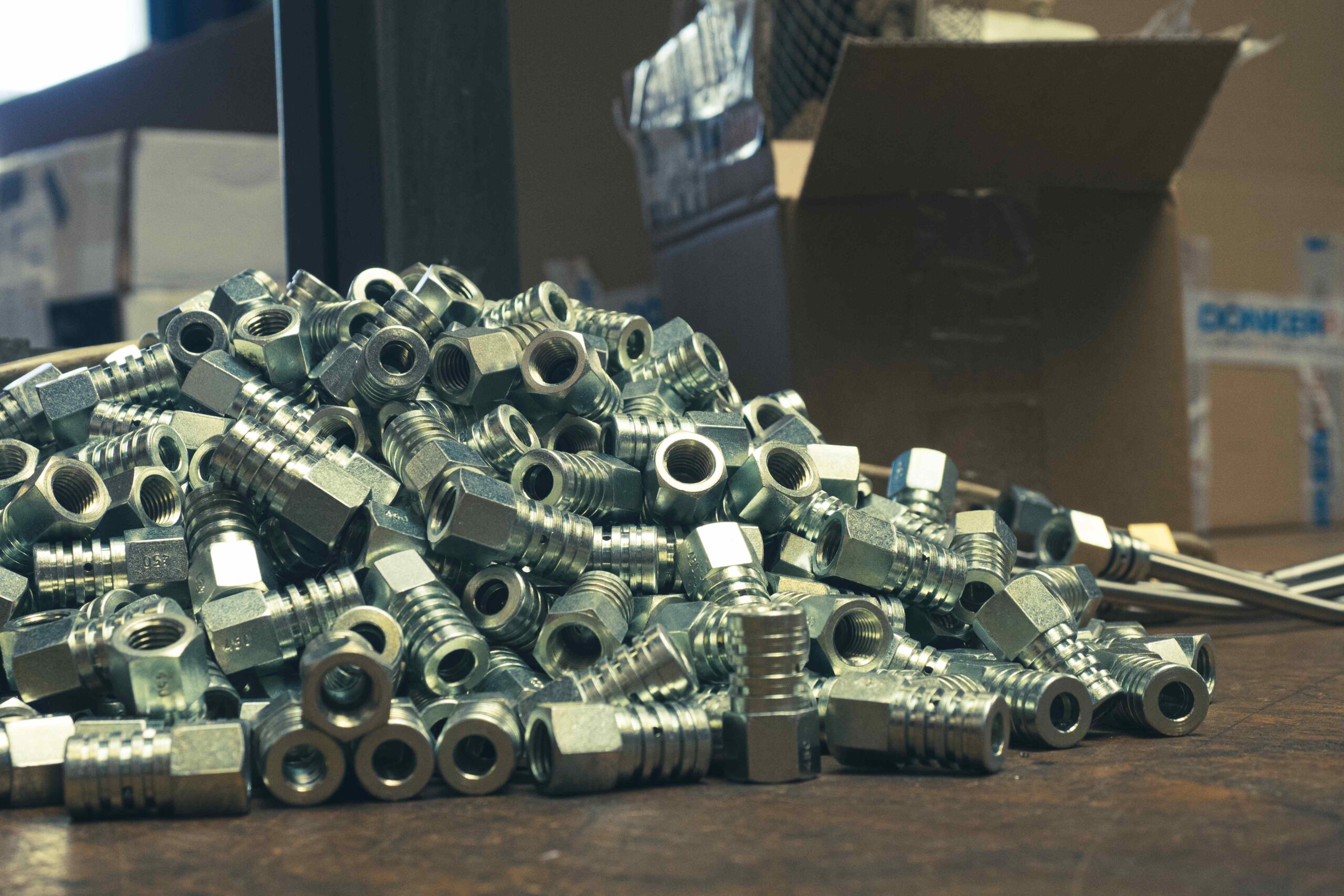
The inner and outer diameters, wall thickness, material specifications, and design of the connections are also part of the piping design. Consequently, two pipes that appear similar on the outside are not automatically interchangeable. When replacing a pipe, it must be verified that these characteristics meet the engine manufacturer’s requirements. A matching union or similar pipe configuration alone is not sufficient for this purpose.
Installation Support
Pipes are exposed to vibrations when the engine is running. Proper support and the use of the specified clamps are therefore essential for a proper installation.
After work is completed, it is important to inspect not only the replaced pipe, but also its fastenings and the surrounding components. For double-walled systems, this also applies to the connections of the fuel leak detection system.
When should a high-pressure fuel line be inspected or replaced?
Leaks, damage, corrosion, or wear at attachment points may be reasons to have a pipe inspected. An improper fit or a recurring problem at the same connection also warrants investigation.
It is important to consider the underlying cause. For example, if a fastener is missing or the pipe was installed improperly, simply replacing the pipe may not resolve the underlying issue.
Donker provides support in the assessment and repair or replacement of fuel lines. The appropriate solution is determined based on the condition of the part and the technical requirements.
It is not possible to specify a general replacement interval for every engine. The engine manufacturer’s maintenance instructions, the condition of the part, and the applicable requirements determine what action is necessary. Any restrictions on reuse after disassembly must also be followed.
Work on the high-pressure fuel system must be performed in accordance with the prescribed procedure. A stopped engine does not necessarily mean that the fuel pressure has immediately dropped in every system.
What information is needed to order a replacement fuel line?
A specific inquiry begins with identifying the motor and the existing piping. The more complete the information, the easier it is to determine which model is needed.
- Relevant information includes:
- The brand, model, and, if available, the serial number of the engine.
- The part number and the location of the pipe.
- A technical drawing or available specifications.
- The single-wall or double-wall version.
- Information about the connections and any fuel leak drainage.
- Photos of the piping and the installed system.
- Any requirements regarding material certificates, inspections, and documentation.
An existing pipe can provide additional information about its shape and connections. However, it is important to determine whether it still has the correct geometry. A damaged or deformed section does not, in and of itself, provide reliable dimensions for a new pipe.
High-Pressure Fuel Lines from Donker
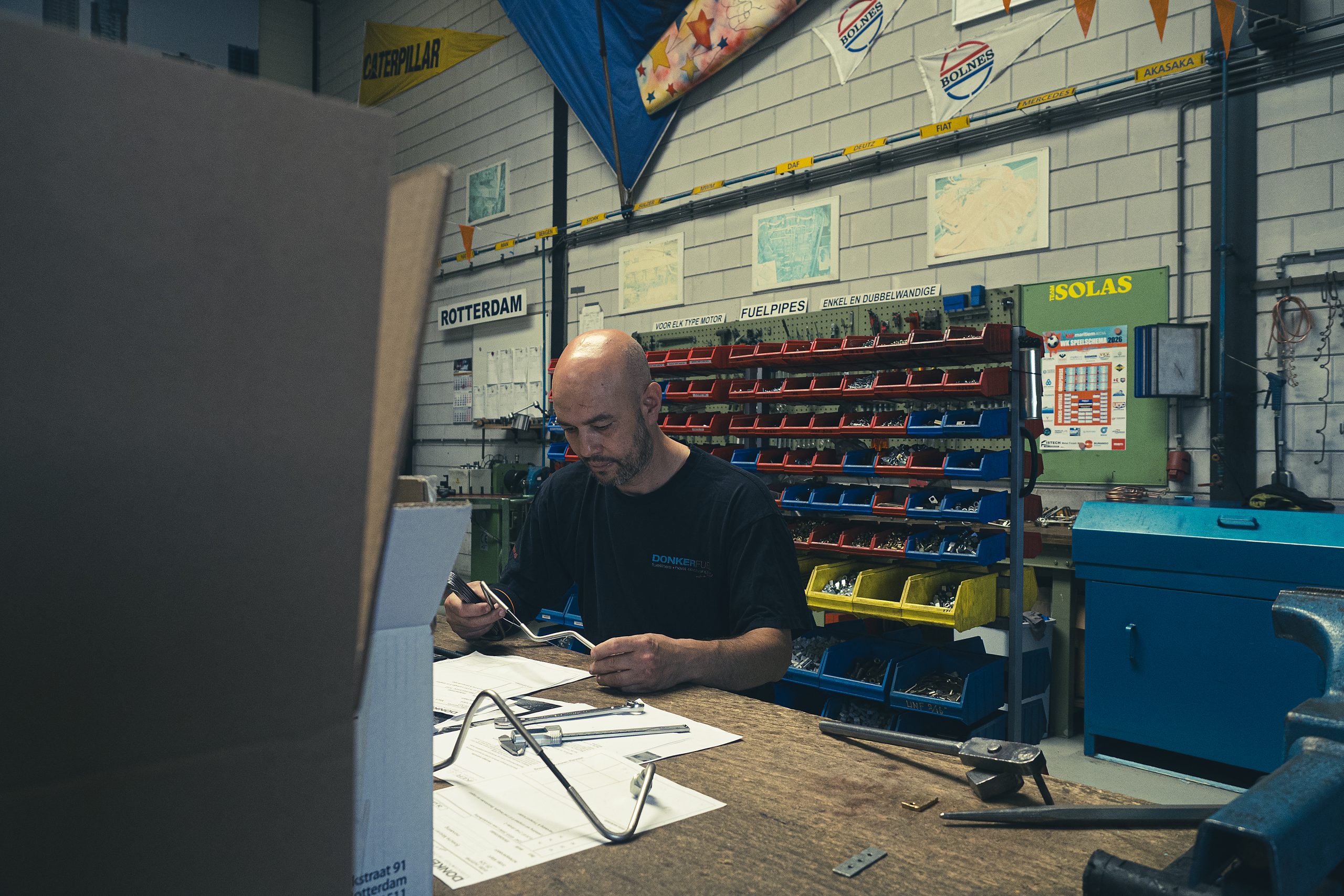
Donker specializes in high-pressure fuel line systems and custom solutions for maritime and industrial applications. Engineering, manufacturing, and technical evaluation are all performed in-house.
To select the right tubing, we review the motor’s technical specifications and the configuration required for the installation. We can base our work on technical drawings, motor specifications, or existing examples. This allows us to evaluate suitable replacement solutions even for older motor systems or parts that are no longer available.
Do you need a replacement high-pressure fuel line, or do you have a question about the correct model? Request technical advice from Donker and please provide the available motor specifications, the part number, and any technical documentation. This will allow us to evaluate your request in detail and discuss which solution is best suited for you.